

Did you develop hives from dermaplaning? Don’t freak out, they’ll go away quickly with the right products. Firsly, dermaplaning is a popular cosmetic procedure that can be done at home and involves using a sterile, surgical-grade scalpel to gently shave the skin’s surface. This process effectively removes dead skin cells and fine vellus hair (peach fuzz), resulting in a smoother, brighter complexion and better product absorption. While generally safe and highly effective for exfoliation, some individuals may experience an adverse allergic reaction afterward, including the development of hives from dermaplaning.
Understanding the Allergic Reaction
The occurrence of hives from dermaplaning is relatively uncommon but can be alarming. The procedure is an intense form of exfoliation. When the top layer of dead skin and the vellus hair are scraped away, the process can sometimes compromise the skin’s natural barrier. The resulting irritation, coupled with the immediate exposure of fresh, vulnerable skin to bacteria, residual cleanser, or even the friction from the tool itself, can trigger a histamine response.
In some sensitive individuals, the deep exfoliation can be perceived by the body as an injury, causing the immune system to overreact. This releases histamine, a compound that dilates blood vessels, causing fluid to leak into the skin’s tissue. This manifests as urticaria, or hives—raised, red, and intensely itchy welts. When this allergic reaction happens, immediate soothing and healing are crucial to calm the irritation, reduce inflammation, and prevent any secondary infection.
3 Miracle Products to Calm Itchy Hives & Soothe Your Skin
If you find yourself dealing with unexpected and uncomfortable hives from dermaplaning, the focus must be on immediate relief, cooling the skin, and barrier repair. Here are three products that offer miracle-like soothing properties:
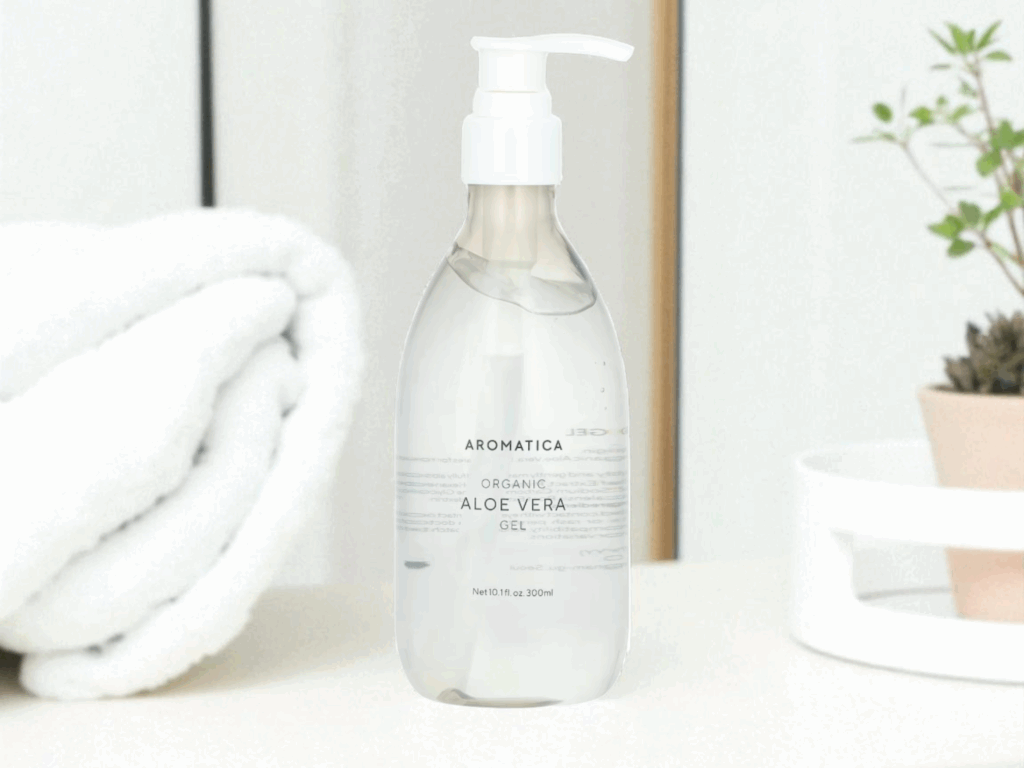
1. Aromatic Organic Aloe Vera Gel
Aloe vera is perhaps nature’s most potent skin soother. A high-quality, pure aloe vera facial gel (preferably one without alcohol or added fragrance) works miracles on irritated skin. Its immediate cooling sensation helps to significantly reduce the burning and itching associated with hives. The gel contains compounds like aloesin and glycoproteins which possess powerful anti-inflammatory properties, calming the redness and swelling instantly. Applying a thick, chilled layer of Aromatic organic aloe vera gel acts like a cold compress, helping to suppress the histamine-induced inflammation and accelerate the healing process of the compromised skin barrier.
2. ESW Face Masks
ESW Beauty offers a range of sheet masks formulated with clean, naturally-derived ingredients designed for sensitive and stressed skin. Using an ESW sheet mask that focuses on hydration and repair (such as one containing cucumber or green tea) can be incredibly effective. Unlike heavy creams, the cool, saturated sheet mask delivers a concentrated dose of soothing botanicals and moisture deep into the irritated dermis. The gentle infusion of these natural components helps to replenish the skin’s moisture levels, significantly reducing inflammation and easing the persistent itch that comes with the hives.
3. Hypoallergenic Ceramide Cream
A gentle, hypoallergenic ceramide-rich repair cream is a vital third step. Ceramides are lipids (fats) that are naturally found in high concentrations in the skin’s outermost layer. When dermaplaning causes the skin barrier to be temporarily damaged, applying a ceramide cream helps to structurally rebuild and reinforce that barrier. This is critical because a damaged barrier lets irritants in and moisture out. By applying this cream, you seal the skin, prevent further moisture loss (which exacerbates itching), and create a protective shield that allows the underlying irritation and hives to heal more quickly. Look for formulations specifically labeled for sensitive skin to ensure they are free of common irritants like dyes and parabens.
Follow This Process After Developing Hives From Dermaplaning
It is absolutely vital to understand that this article is an informative guide and not a substitute for professional medical advice. The soothing solutions—aloe vera, ESW masks, and ceramide cream—are intended to provide symptomatic relief and aid in barrier repair after a minor, localized histamine reaction from dermaplaning.
If you develop hives from dermaplaning, follow these critical steps immediately:
- Stop Irritation: If any product you apply, including the recommendations in this article, causes burning, stinging, or increased redness, wash it off immediately and gently with cool water.
- Patch Test: As a crucial caution, always patch test any new product (even those intended to be soothing) on a small, inconspicuous area of your jawline before applying it everywhere. The skin’s sensitivity level can change drastically after dermaplaning.
- Cool Compresses: Use a cool, damp cloth or ice pack (wrapped in a thin towel) on the affected areas for short intervals (10–15 minutes) to help calm inflammation and itching.
- Over-the-Counter Help: For generalized itching and to suppress the internal histamine reaction, consider taking a non-drowsy, over-the-counter oral antihistamine (like cetirizine or loratadine), provided you have no contraindications. Always follow the manufacturer’s dosage instructions. You may also consult with your pharmacist about a low-dose topical corticosteroid cream (like hydrocortisone) for temporary relief of severe itching, though this should be used sparingly and only for a short period.
These three solutions work synergistically: the aloe vera provides instant cooling relief, the ESW mask delivers deep, soothing hydration, and the ceramide cream locks everything in while repairing the vital barrier, providing a comprehensive strategy to successfully soothe and heal your skin.
When to Seek Professional Medical Care
While most mild post-dermaplaning hives subside within a few days, certain symptoms require immediate consultation with a dermatologist or a trip to urgent care or the emergency room:
- Signs of Anaphylaxis: This is an emergency. Seek immediate medical help if hives are accompanied by difficulty breathing, swelling of the tongue or throat, dizziness, or a sudden feeling of illness.
- Worsening Symptoms: If the hives worsen, spread rapidly, or if intense itching lasts for more than 48–72 hours despite at-home care.
- Signs of Infection: If the area develops signs of infection, such as pus, fever, increasing pain, or red streaks extending from the rash.
If your skin is compromised after dermaplaning, it’s important to prioritize gentle care and know when to consult a professional to ensure a quick and complete recovery from unexpected hives from dermaplaning.