
Cashmere blankets have a reputation for softness and luxury. Cashmere appearance alone does not tell you whether a blanket is right for your home. A better way to shop is to consider three things in order: fiber, function and weave.
This simple framework can help you separate meaningful product details from marketing language used everywhere.
1. Start With the Fiber Content
The first thing to check is the label, of course.
In the United States, cashmere has a specific legal definition. The Federal Trade Commission states that fibers marketed as cashmere must come from the fine, dehaired undercoat of a cashmere goat and meet defined fiber-diameter requirements. A product containing only cashmere can be labeled “100% Cashmere” or “All Cashmere.”
This makes fiber content more useful than descriptions such as cashmere feel or cashmere-like.
When comparing a pure cashmere blanket with a blended blanket. Always look beyond softness in the product photo and check exactly what percentage of the material is cashmere.
2. Choose the Blanket Around How You Will Use It
Next, think about function.
A blanket intended for the end of a bed does not need the same dimensions or portability as a travel blanket. Likewise, a smaller throw can be convenient for a reading chair or sofa without covering an entire bed.
Before buying, you should ask:
- Will it primarily stay on my sofa or bed?
- Do I want something small enough for travel?
- Would I use it as a lap throw?
- Am I buying it for myself, for a baby or as a gift?
This is one reason it can be useful to compare several cashmere blankets and throws handmade in Nepal rather than choosing solely by color. Looking across different sizes, patterns and intended uses makes it easier for you to match the blanket to the way it will actually be used.
3. Treat the Weave as Part of the Design
Your cashmere product does not have to mean a plain solid-colored blanket.
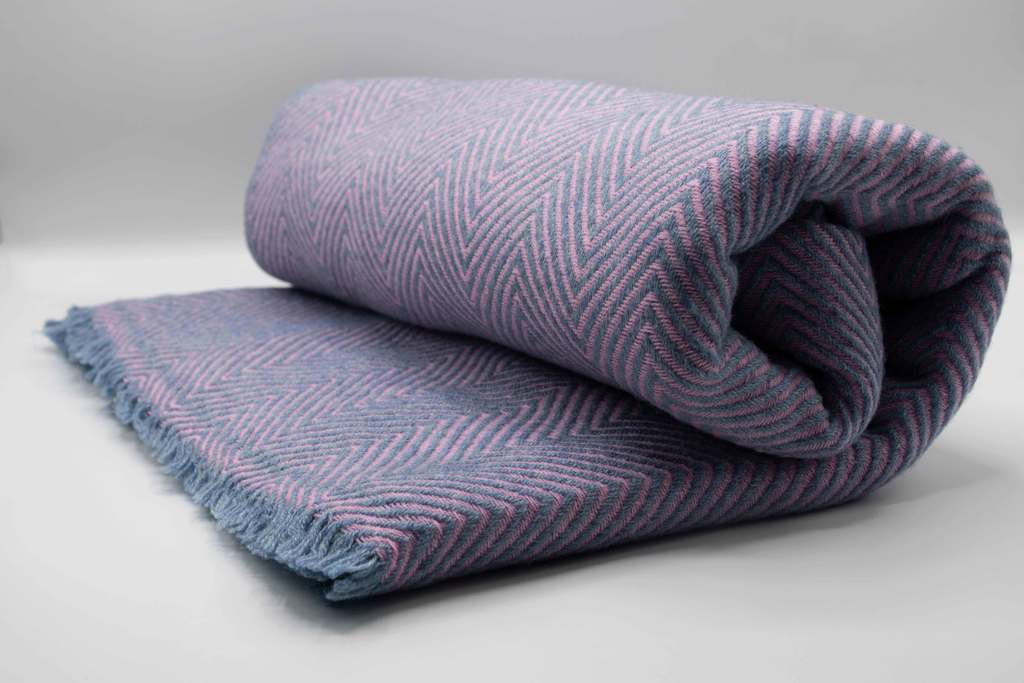
Chevron, herringbone, diamond, check and stripe patterns can create very different visual effects while keeping the natural softness of the fiber. A subtle off-white herringbone or diamond design can blend into a minimalist bedroom, while a high-contrast chevron or check can become an accent piece on a neutral sofa.
You don’t have to ask which pattern is “best,” just consider the amount of contrast already present in the room. Quiet interiors can handle a stronger woven pattern, while visually busy rooms often benefit from understated designs.
Why Nepal Matters
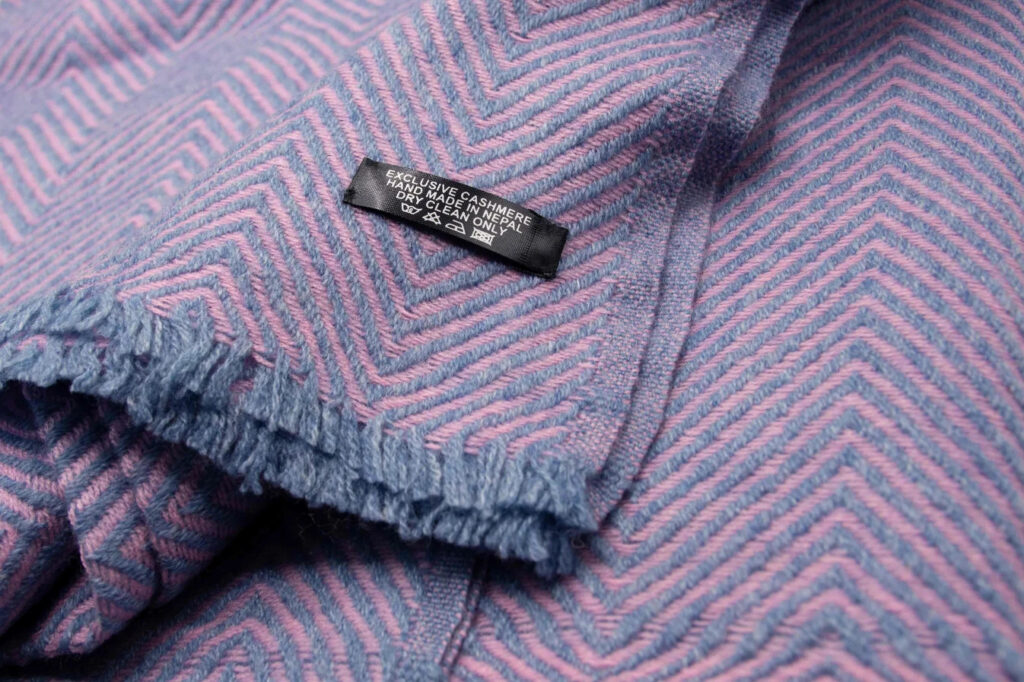
Nepal has a longstanding pashmina and cashmere textile industry known throughout the world. Nepal’s Trade and Export Promotion Centre describes pashmina production as a local handicraft specialty, and government trade materials highlight traditional manufacturing methods used in Nepal’s Chyangra pashmina sector.
That makes origin worth considering alongside fiber content, weave and intended use.
The Final Check
A good cashmere blanket should not be chosen on softness alone, that can bring less value at the end. I highly recommend checking the fiber label first, decide how you will use the blanket second, and choose the weave and pattern third.
Hopefully, these hands-on tips make it much easier for you to find a blanket that works both as a practical textile and as a lasting part of your home.